THE TEST
A heel prick at 5 days
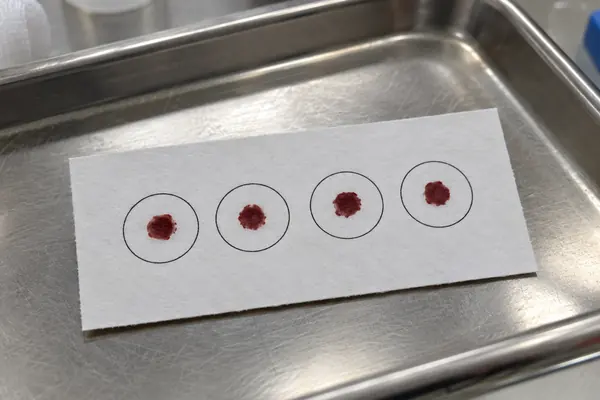
A health professional pricks the baby's heel and collects a few drops of blood on a card, usually at 5 days old. The NHS says there are no known risks.
What it checks doodlegene

WHAT THE NHS SAYS
Many of the conditions it looks for run in families.
The newborn blood spot test, once called the heel prick test, checks for rare but serious conditions such as sickle cell disease and cystic fibrosis. Finding them early means treatment can start sooner.
DAY 5 the usual test day
What results meanTHE SHORT ANSWER
The test is recommended for all babies.
It is always the parents' choice.
THE TEST
A health professional pricks the baby's heel and collects a few drops of blood on a card, usually at 5 days old. The NHS says there are no known risks.
What it checksTHE RESULTS
Results arrive by 6 weeks. Most babies have no condition suspected; some are found to be carriers, and a few are referred to a specialist.
What results meanTHE GENOMES
Genomics England's Generation Study, run with the NHS, is sequencing the genomes of 100,000 newborns to look for more than 200 rare treatable conditions.
See the numbersGeneral information only, not professional safety advice. If someone is in immediate danger, call the emergency services.

WHAT THE TEST LOOKS FOR
The 10 conditions in England's newborn blood spot screening programme, as listed by NHS England.
A group of conditions affecting red blood cells. It runs in families and mainly affects people of African or Caribbean background.
Causes problems with breathing, digestion and growth. Testing for it is unreliable after 8 weeks of age.
The baby does not make enough thyroid hormone, because the thyroid gland is not working well or has not developed.
Including phenylketonuria (PKU) and MCADD: rare conditions affecting how the body breaks down substances in food. Parents can decline these only as a group.
TWO NUMBERS WORTH KNOWING
The national programme in England,
and the research study testing a wider approach.
10
Conditions in the national blood spot programme
Sickle cell disease, cystic fibrosis, congenital hypothyroidism and 7 inherited metabolic diseases. NHS England added hereditary tyrosinaemia type 1 to its list in September 2025. Some areas also test for spinal muscular atrophy.
SCREENING · NHS ENGLAND
200+
Rare conditions in the Generation Study
Conditions that usually appear in the first years of life, can be improved if caught early and can be treated on the NHS in England.
RESEARCH · GENOMICS ENGLAND
The Generation Study is research: its results will inform future decisions on whether whole genome sequencing should support newborn screening.
A QUICK RESULTS CHECK
Pick a possible result to see what the NHS says happens next. The bar shows how much follow-up is involved.
From the NHS page on the newborn blood spot test. If you have not had results by 6 weeks, speak to your midwife, health visitor or GP.
AFTER THE TEST
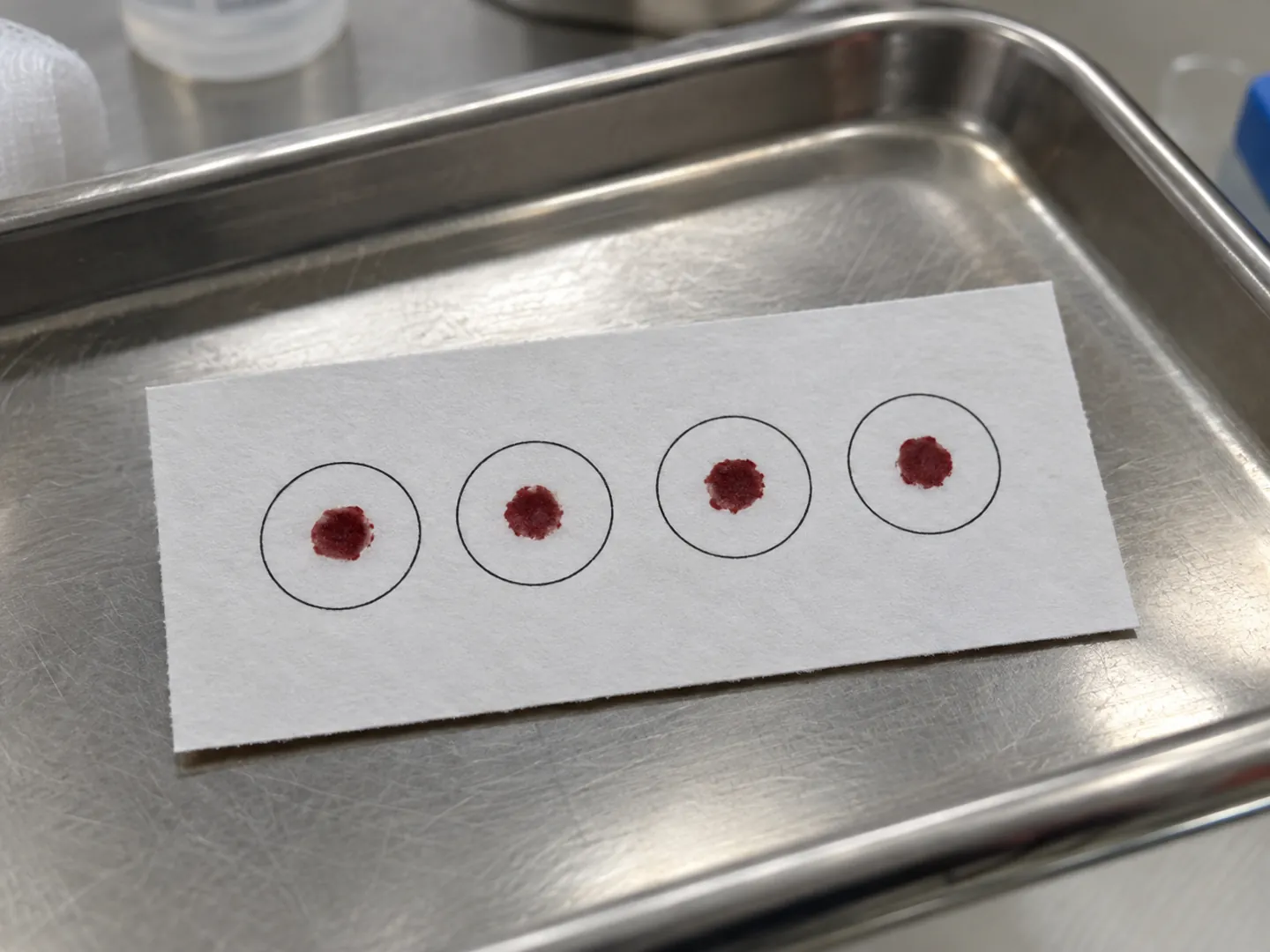
Blood spot cards are stored for at least 5 years. They may be used to check results, to improve how the test is done, and for anonymous research to improve the health of babies and families in the UK.
Tell your midwife or doctor as soon as possible if anyone related to your baby has one of the conditions checked for. Babies who missed the test can usually still have it up to their first birthday, apart from cystic fibrosis.
Questions
In England, 10 conditions: sickle cell disease, cystic fibrosis, congenital hypothyroidism and 7 inherited metabolic diseases. Spinal muscular atrophy is also tested for in some areas.
Usually when the baby is 5 days old, often at home by a community midwife or health visitor, though it can be done earlier or later.
The NHS says the test is very quick and has no known risks, though the baby may cry or be uncomfortable. Feeding, cuddling and keeping them warm can help.
Carriers do not have the condition and are usually healthy, but could pass it on to their own children. They will not need treatment but may need further tests.
A Genomics England research study, run with the NHS, sequencing the genomes of 100,000 newborns to see whether genome sequencing can find more than 200 rare, treatable conditions earlier.
Updated
ABOUT THIS NAME
doodlegene.com is part of the DoodleSale portfolio. It isn't in an auction right now, but you can ask about leasing it.